
The Future of Healthcare: How Voler Systems is Pioneering Medical Device Innovation

In a world where technology changes overnight, having the right engineering partner makes all the difference. Voler Systems brings together decades of experience and cutting-edge expertise to help companies innovate smarter and faster. Whether you're building a life-saving device, a smart connected product, or a high-speed processing system, Voler delivers reliable solutions through Medical Device Product Development, Internet of Things Consulting, and FPGA Development.

Engineering Safer Healthcare Products

Medical technology must work flawlessly — and Voler Systems understands what’s at stake. Their team supports clients in the full cycle of medical device product development, from early design and prototyping to testing and compliance. The result? Functional, user-friendly medical devices built to meet strict industry standards and real-world needs.

Medical Device Product Development

Smarter Connections with IoT Consulting

The demand for intelligent, connected devices continues to grow — and with it, the need for expert guidance. Voler provides trusted Internet of Things consulting, helping clients design secure, scalable IoT systems. Their team assists with everything from sensor integration and firmware development to data communication and cloud strategies.

Speed and Power Through FPGA Solutions

For applications where performance can’t be compromised, Voler offers expert FPGA development services. Their engineers create custom digital designs that enable faster data processing, real-time responsiveness, and lower latency — all while keeping hardware efficient and flexible.
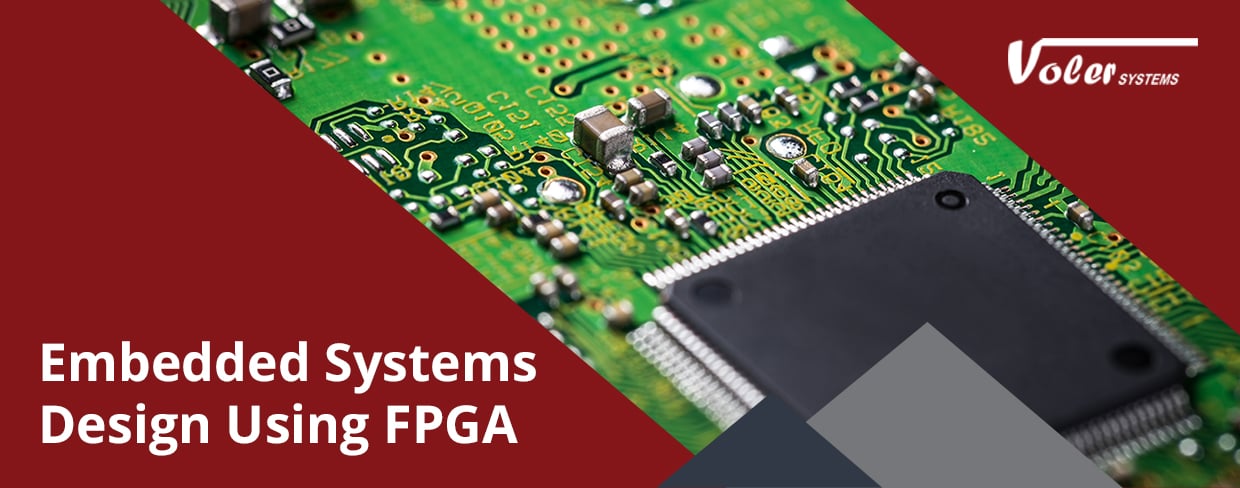
FPGA-enabled medical equipment

Why Choose Voler Systems?

Clients choose Voler Systems not just for their technical skills, but for their commitment to partnership. Every project is approached with care, collaboration, and a deep understanding of the client’s goals. From startups to industry leaders, companies across the globe rely on Voler to bring their ideas to life.

If your next innovation needs precision, speed, and intelligent design, Voler Systems is the team to call.

Comments

Popular posts from this blog

Designing for the Future: Voler Systems’ Role in Next-Gen Medical Device Breakthroughs

It’s about the patient who wants to manage their health from home. The doctor who needs a reliable tool to make faster, better decisions. The caregiver who depends on devices to keep loved ones safe. That’s why building medical technology takes more than engineering—it takes understanding, care, and a whole lot of experience. That’s exactly what Voler Systems brings to the table. Voler has been helping healthcare innovators design smarter, safer devices for decades. They’ve seen trends come and go, but their approach has always stayed the same: listen first, build second. That’s why they’re trusted by startups and Fortune 500 companies alike for top-quality medical device design . Here’s the thing: not every company knows exactly what their product should look like on day one. And that’s okay. Voler gets involved early, helping shape ideas into something real. When you work with them as a medical device design consultant , they don’t just review blueprints—they help define the direc...

From Diagnostics to Implants: Embedded Software as the Backbone of Medical Innovation

In healthcare technology, innovation is no longer limited to mechanical design or hardware improvements. Currently, firmware and embedded software are important aspects of the cutting-edge medical devices . Their intelligence can power functionality, precision, and safety. From wearable health trackers to implantable devices, embedded systems can enhance modern medical innovation. The Role of Firmware in Medical Devices Firmware is the specialized software embedded directly into a medical device’s hardware components. It works like the bridge between the device’s electronic circuits and operational features. Firmware controls everything from sensor data collection to wireless communication. In a wearable heart rate monitor, for example, firmware continuously reads signals from sensors, processes the data, and transmits readings in real time accurately. Without firmware, the most advanced sensors and hardware would remain lifeless components. It’s this intricate software la...